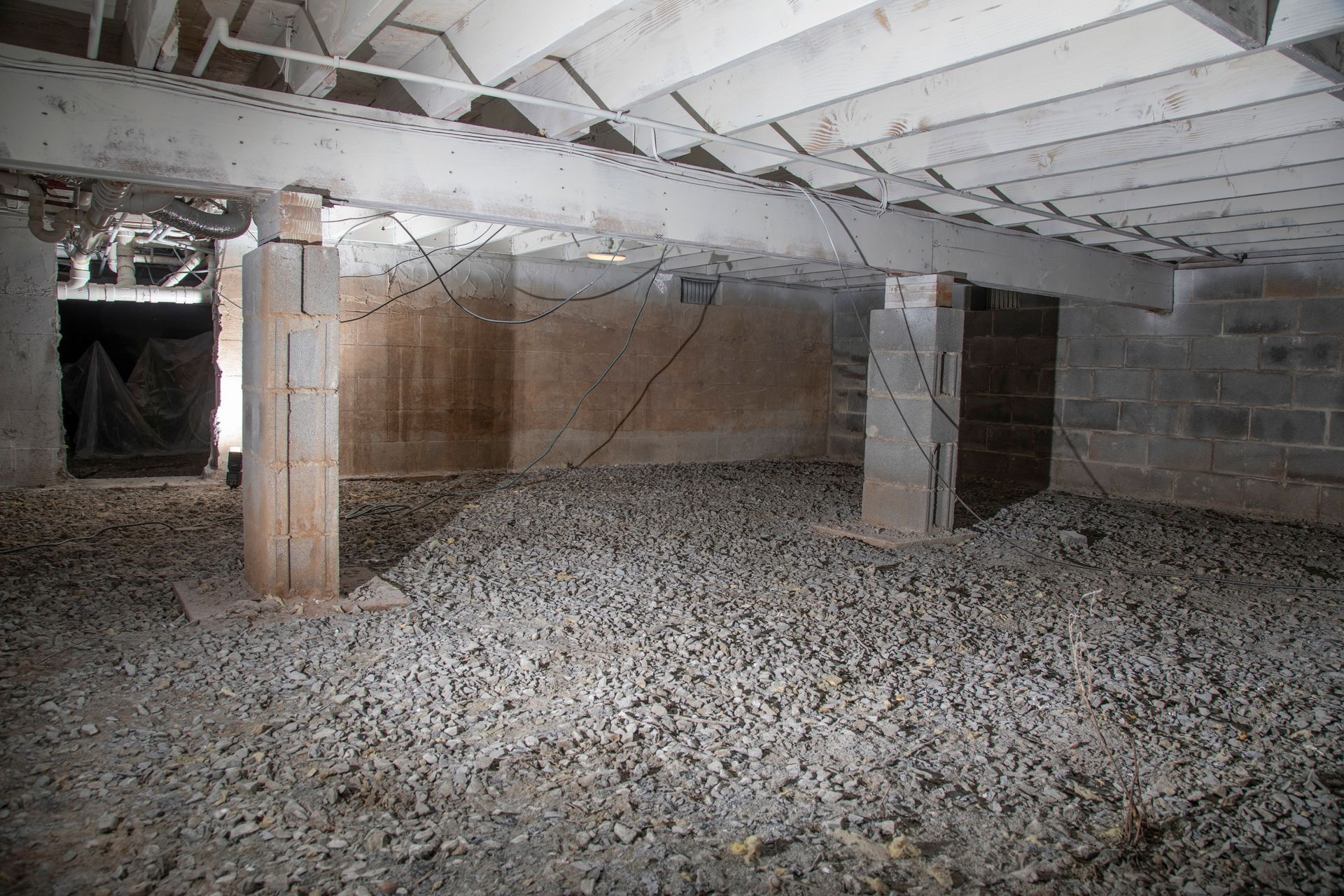
Crawlspace encapsulation is an essential home improvement solution that has grown increasingly popular among homeowners seeking to protect their property from damage and inefficiencies. Traditionally, crawlspaces were left unsealed, allowing damp air, moisture, and pests to infiltrate the home. This could result in structural problems, increased energy costs, and compromised indoor air quality. Modern crawlspace encapsulation is designed to address these challenges by creating a sealed, dry, and controlled environment beneath the home, ensuring long-term protection and energy savings.
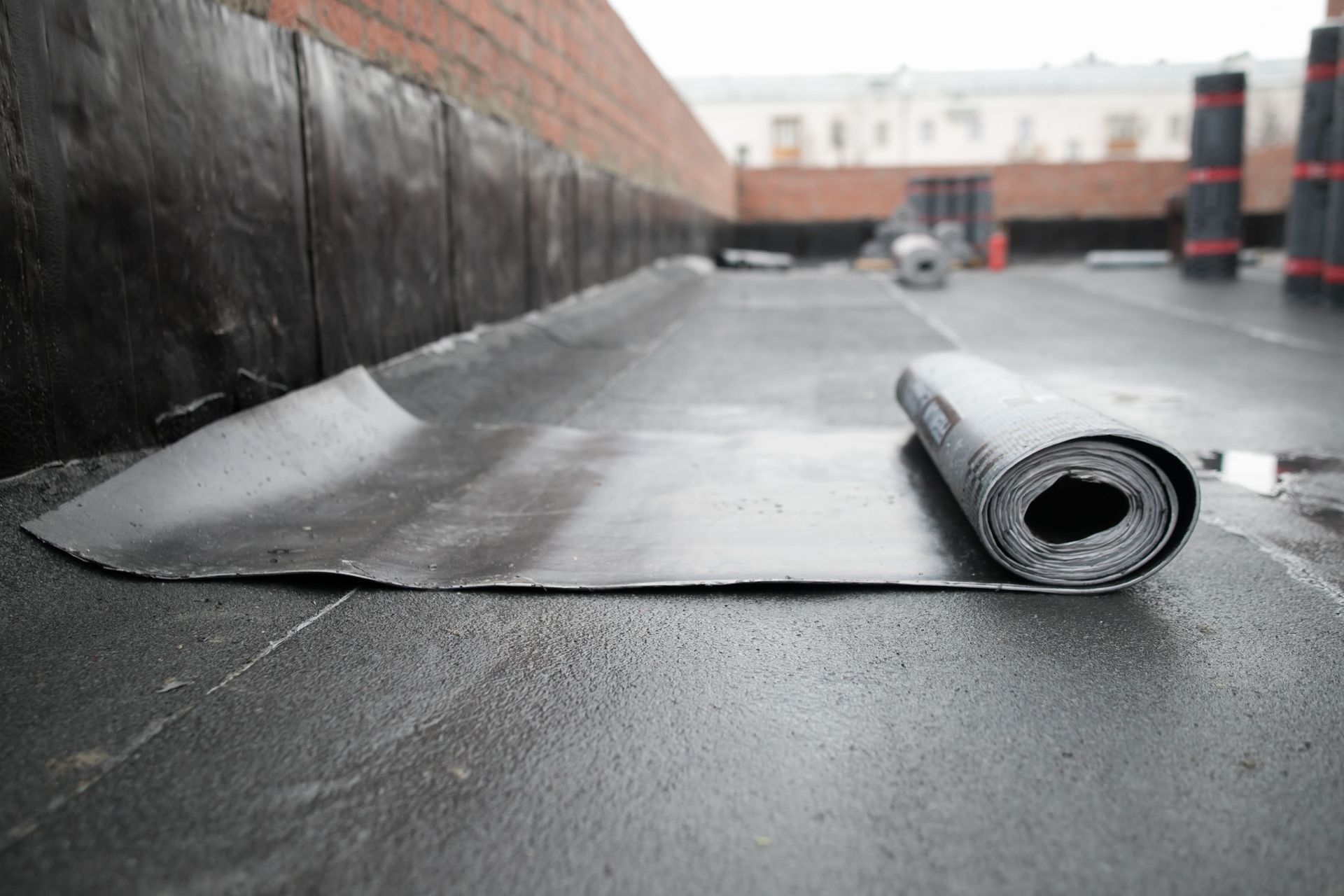
At its core, crawlspace encapsulation involves installing a heavy-duty vapor barrier over the floor and walls of the crawlspace, combined with insulation and dehumidification systems. This approach prevents the infiltration of ground moisture, reduces air exchange with the exterior, and maintains a stable temperature. Homeowners who invest in crawlspace encapsulation often notice immediate improvements in comfort, energy efficiency, and indoor air quality, making it a highly beneficial home investment. Additionally, encapsulated crawlspaces can improve the performance of HVAC systems by stabilizing airflow and reducing strain on heating and cooling equipment.
Enhancing Indoor Air Quality and Health
One of the most critical benefits of crawlspace encapsulation is the improvement in indoor air quality. Crawlspaces are notorious for harboring allergens such as mold spores, dust, and mildew, which can migrate into the home’s living areas. Studies have shown that up to 40% of indoor air can originate from the crawlspace, meaning that an unsealed area can negatively impact the entire household.
By installing a professional crawlspace encapsulation system, homeowners can reduce the risk of these airborne contaminants. A well-sealed crawlspace acts as a barrier, preventing moisture and pollutants from entering the living space. This is particularly beneficial for individuals with allergies, asthma, or other respiratory sensitivities. Over time, homes with encapsulated crawlspaces often experience fresher air, fewer health complaints, and a healthier overall environment. Improved air quality can also reduce the need for frequent HVAC maintenance and filtration system replacements, saving homeowners both time and money.
Increasing Energy Efficiency and Reducing Costs
Crawlspace encapsulation is not only beneficial for health but also significantly improves energy efficiency. Unsealed crawlspaces often allow cold or hot air to enter the home, forcing heating and cooling systems to work harder to maintain a consistent temperature. By sealing and insulating the crawlspace, homeowners can prevent energy loss and reduce monthly utility bills.
Encapsulation creates an energy-efficient thermal barrier that stabilizes temperatures year-round. In winter, encapsulated crawlspaces retain heat, reducing the demand on furnaces, while in summer, they prevent hot, humid air from infiltrating living spaces, lowering air conditioning use. Over time, these savings can offset the initial investment in crawlspace encapsulation, making it both a cost-effective and environmentally responsible choice. Additionally, proper insulation within the crawlspace can help maintain even temperatures throughout the home, reducing cold floors and improving comfort in living spaces above.
Protecting Homes Against Mold, Moisture, and Pest Damage
Moisture is one of the most common causes of damage in homes with crawlspaces. Unencapsulated areas often experience water seepage from the ground or condensation on walls and floors. This damp environment encourages mold growth, wood rot, and structural degradation. Crawlspace encapsulation mitigates these issues by creating a moisture-controlled environment that keeps surfaces dry and inhibits mold and mildew growth.
In addition to moisture control, crawlspace encapsulation is highly effective for pest prevention. Rodents, termites, and insects are naturally attracted to damp, dark environments like traditional crawlspaces. By sealing the area with a vapor barrier and securing entry points, encapsulation prevents pests from entering and nesting, reducing the risk of damage to insulation, wiring, and structural components. This protective barrier offers peace of mind for homeowners, ensuring that their investment remains secure for years to come. Encapsulated crawlspaces also help prevent unpleasant odors and the growth of bacteria, further improving indoor living conditions.
Enhancing Structural Integrity and Longevity
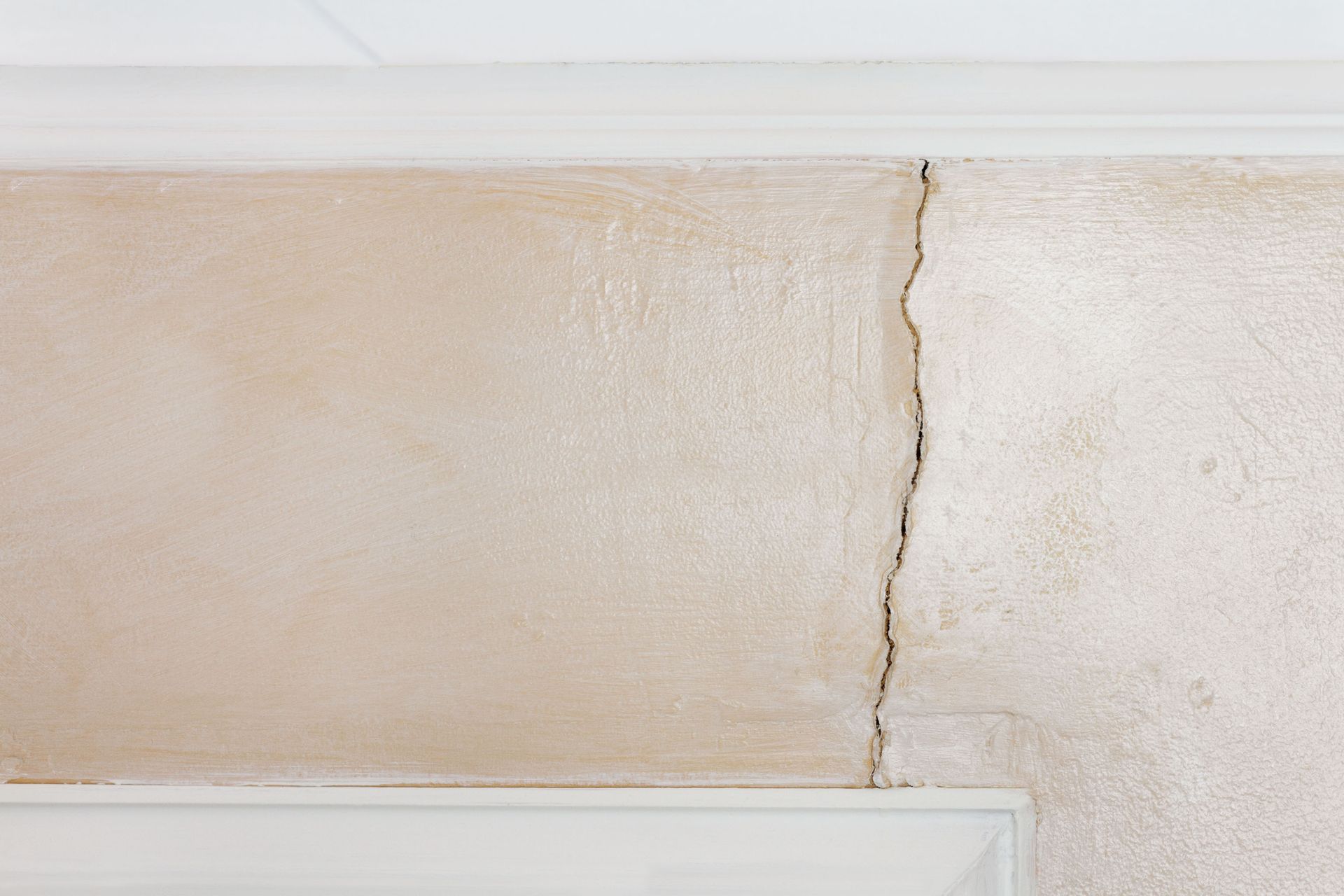
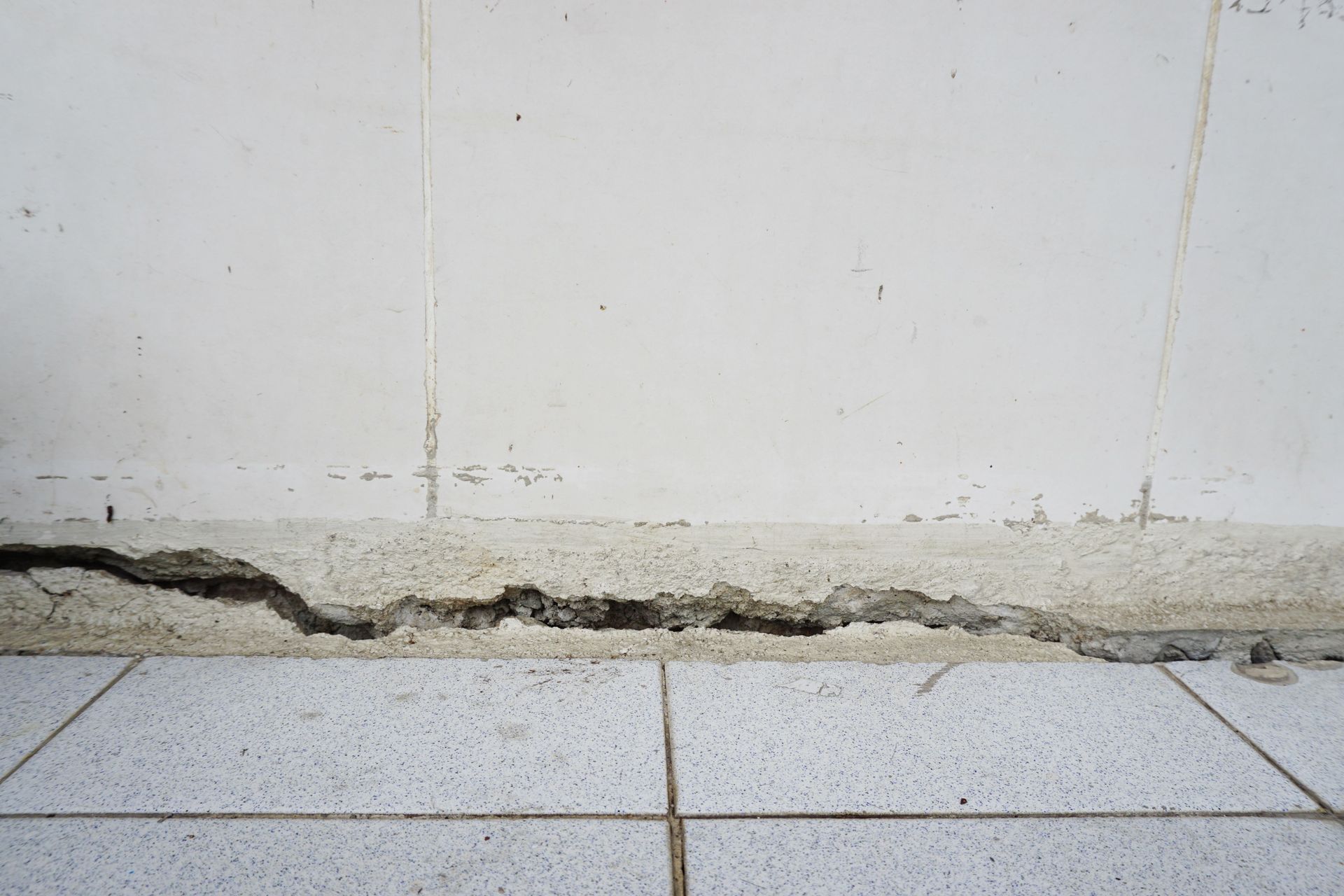
Beyond health and energy benefits, crawlspace encapsulation plays a vital role in maintaining a home’s structural integrity. Moisture accumulation in traditional crawlspaces can weaken wood beams, joists, and subflooring, potentially leading to costly repairs. Encapsulation prevents moisture from compromising these key structural elements, extending the lifespan of the home’s foundation and overall structure.
By maintaining a dry, controlled environment, crawlspace encapsulation helps preserve the durability of materials over time. This can be particularly valuable in regions with high humidity or heavy rainfall, where traditional crawlspaces are more vulnerable to water-related damage. Homeowners who invest in encapsulation often experience fewer maintenance issues and enhanced long-term property value. Additionally, by protecting the home’s foundation and subflooring, encapsulation can prevent uneven flooring, sagging joists, and other structural concerns that may arise in older or moisture-prone homes.
Increasing Home Value and Market Appeal
Investing in professional crawlspace encapsulation can also enhance the market value of a home. Potential buyers are increasingly aware of the benefits of encapsulation, recognizing the importance of energy efficiency, structural protection, and indoor air quality. Homes with professionally encapsulated crawlspaces are often more appealing because they promise lower maintenance costs and fewer future repairs.
According to Future Marketing Insights, by service type, settlement repair leads at 36.0%, while by end-user, residential holds 63.0%, highlighting the growing trend of residential crawlspace improvements. This data underscores that homeowners who invest in encapsulation are making a strategic choice that can enhance both comfort and resale value. Encapsulation is often seen as a selling point, providing assurance that the home has been protected against common crawlspace issues, making it a wise long-term investment for both current and future homeowners.
Understanding the Science Behind Crawlspace Encapsulation
The effectiveness of crawlspace encapsulation lies in careful moisture control, proper insulation, and airflow management. Advanced encapsulation systems use reinforced polyethylene vapor barriers to cover the crawlspace floor and walls, creating an airtight seal. Perimeter drainage systems may also be incorporated to manage water intrusion from outside the home, further reducing the risk of moisture-related damage.
Dehumidifiers are a key component in maintaining consistent humidity levels, actively removing excess moisture from the air. Combined with proper ventilation strategies, this ensures a balanced environment within the crawlspace, preventing condensation and promoting structural longevity. Advanced insulation materials, such as rigid foam or spray foam, help regulate temperatures and minimize thermal bridging, further improving energy efficiency. In many homes, encapsulation also allows for improved storage in the crawlspace, transforming it into a functional space free from damp and pests.
Comparing Crawlspace Encapsulation to Traditional Crawlspaces
Traditional vented crawlspaces were once thought to prevent moisture issues by allowing air circulation. However, these designs often exacerbate problems by introducing humid outside air that condenses on cooler surfaces. Crawlspace encapsulation, on the other hand, creates a controlled environment that prevents moisture and pest infiltration, reduces energy loss, and minimizes maintenance requirements. The difference in performance is substantial, making encapsulation the preferred choice for modern homes.
Debunking Common Myths About Crawlspace Encapsulation
Despite its proven benefits, some homeowners hesitate to invest in crawlspace encapsulation due to misconceptions. A common myth is that encapsulation is only necessary for older homes or specific climates. In reality, all homes with crawlspaces can benefit from encapsulation, as moisture and pest control are universal concerns. Another misconception is that DIY encapsulation is sufficient. Professional services ensure proper installation, long-term performance, and compliance with industry standards, preventing costly mistakes. Homeowners who hire experts can also benefit from warranties and follow-up inspections, ensuring the system continues to perform effectively for many years.
Crawlspace encapsulation provides homeowners with cleaner air, improved energy efficiency, protection against moisture and pests, and increased property value. By investing in professional crawlspace encapsulation, homeowners ensure their home remains healthy, comfortable, and structurally sound. For reliable, expert services that maximize the benefits of encapsulation, contact Pinnacle Foundation Systems today to schedule a consultation and secure your home for years to come.