Foundation health is a critical component of any structure, ensuring stability and safety over its lifespan. Waterproofing companies play a significant role in this domain, providing solutions that prevent water infiltration, which is a common source of foundation issues. These companies not only offer preventive measures but also address existing problems to ensure long-term structural integrity. Foundation problems are not merely localized concerns; they have widespread implications on property value and safety. By partnering with waterproofing experts, homeowners and building managers can safeguard their investments for the future.
Understanding Common Vulnerabilities and Foundation Damage
Foundation damage can arise from a variety of sources, including soil instability, poor construction practices, and environmental changes. Issues like expansive clay soils can swell with moisture, exerting pressure on foundation walls. Even tree roots growing too close to a structure can undermine soil stability, leading to cracks and shifts. Heavy machinery and construction activities nearby can also cause vibrations, destabilizing the foundational earth. Understanding these causes is essential in diagnosing existing problems and preventing future ones. The materials and methods used during construction have a significant impact on foundation health. Inadequate drainage around a home can exacerbate water retention issues, causing erosion or saturation. In some cases, cost-cutting measures during initial construction can compromise a foundation's durability. Over time, natural wear and tear will also contribute to the gradual degradation of foundational structures. Hence, a holistic understanding of construction and environmental factors is crucial for long-term foundation health. Addressing these vulnerabilities requires a proactive approach, integrating regular inspections with preventive measures.
Analyzing the Impact of Water on Structural Integrity
Water is one of the most insidious threats to foundation integrity, capable of penetrating through the slightest flaws. Continuous exposure to water can erode concrete, rust steel reinforcements, and weaken the overall structure. Water infiltration often leads to cracks, which can expand over time, underlining the urgent need for effective waterproofing measures. In areas with high water tables or frequent rainfall, the potential for water damage is significantly greater. According to the US Federal Emergency Management Agency (FEMA), flooding causes over $8 billion in residential damage yearly, where proactive waterproofing could mitigate 40-50% of basement incursions. One fundamental consequence of water impact is the differential settling of a foundation, where parts of the structure sink unevenly. This can lead to uneven floors, cracks in walls, and misaligned doors or windows.
Identifying Early Signs of Foundational Distress
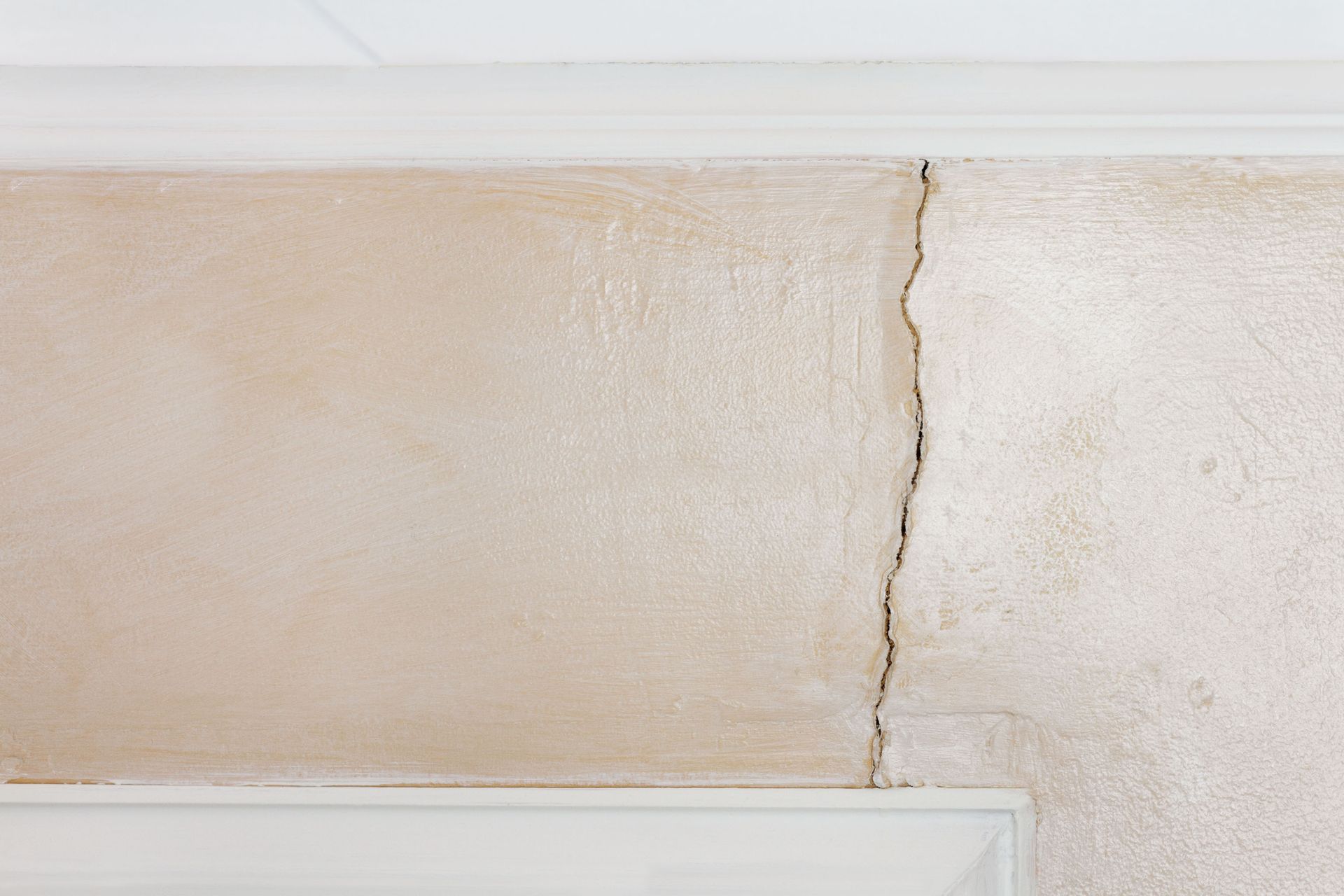
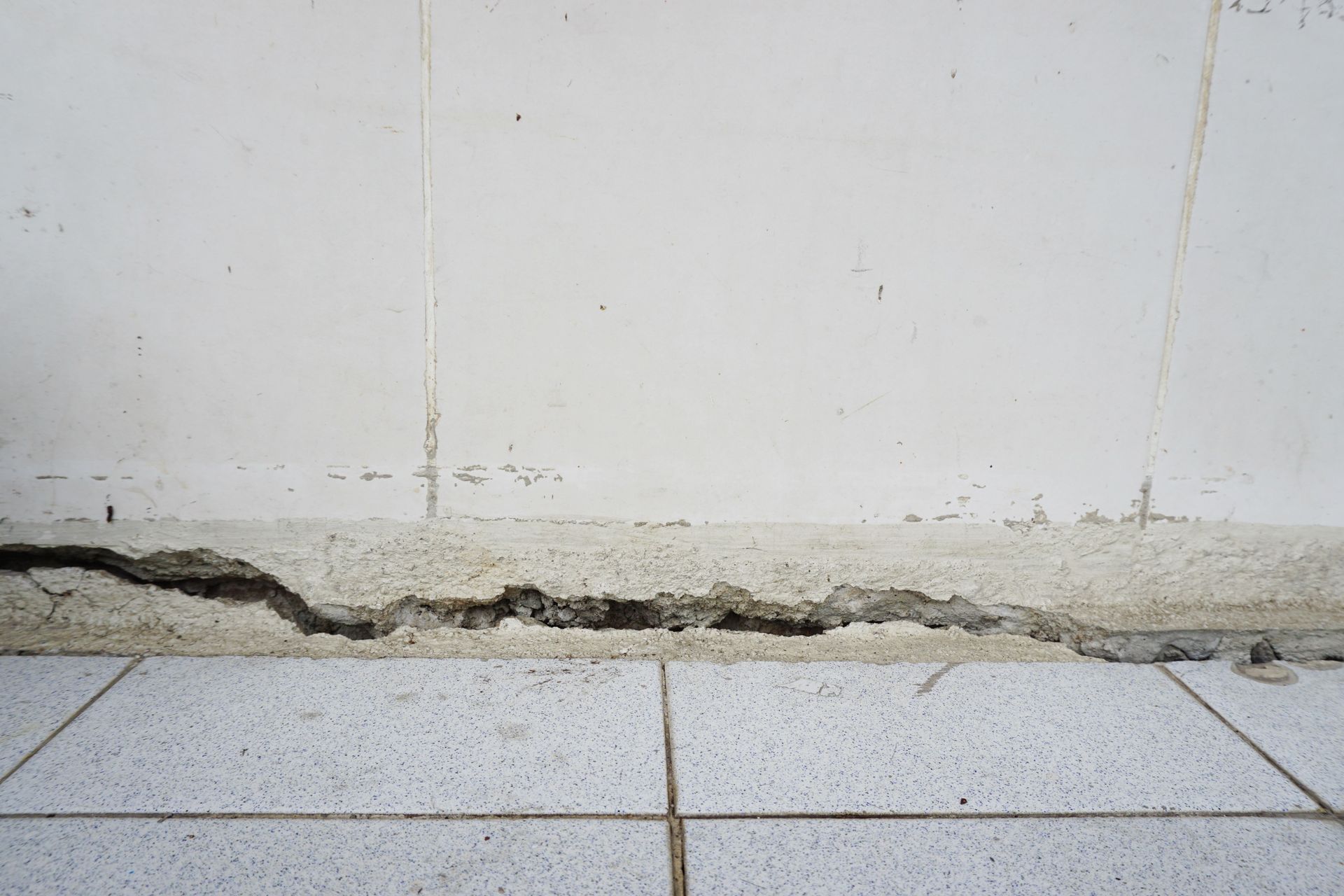
Recognizing signs of foundation distress early can make a vital difference in repair costs and building integrity. Cracks on the walls, particularly those that are horizontal, can indicate shifts within the foundation. Doors and windows that jam or do not close properly often signal foundational movements as well. Flooring that is sagging or becoming uneven over time is another strong indicator of foundation problems. Identifying these early signs can prevent further deterioration and prompt timely intervention by waterproofing professionals. Homeowners often overlook subtle signs or fail to connect them with potential foundation issues. The presence of water in basements or crawl spaces signals moisture problems that can impact foundational integrity. Experienced waterproofing companies provide assessments and solutions to combat these early warning signals. Cracks in exterior brickwork or within basement floors might appear harmless initially but could potentially signify foundational shifts. Professional evaluation is key to diagnosing the severity and appropriate remediation strategies. Effective waterproofing involves addressing these signs before they evolve into significant structural concerns.
Reviewing Environmental Factors Affecting Modern Foundations
Foundations are invariably subject to the whims of environmental factors, which influence their stability and longevity. Seasonal changes, rainfall patterns, and temperature fluctuations all interact to affect the earth surrounding the foundation. During droughts, soil can contract, leading to potential gaps that destabilize foundations. Conversely, heavy rains can lead to soil swelling, exerting undue pressure on existing structures. These environmental extremes necessitate adjustments in waterproofing strategies, as certain climates may require more robust interventions. In regions prone to freezing temperatures, frost heaves can displace sections of a foundation, causing uneven settling. Warm, humid climates may foster the growth of mold or lead to greater moisture retention against foundation walls. Local waterproofing companies account for these regional variations, tailoring solutions that align with environmental conditions. Techniques such as exterior grading, drainage enhancements, and specialized sealants are implemented to counteract specific environmental challenges. Assessing and understanding local conditions is crucial in maintaining foundation integrity. Adaptation to environmental factors also involves ongoing monitoring and proactive maintenance. Adjustments to waterproofing measures are made to accommodate seasonal changes, reducing potential risks.
Calculating the Cost Implications of Foundation Neglect
Neglecting foundation issues can have substantial financial ramifications, escalating repair costs significantly over time. Initial repairs might seem costly but are far outweighed by the expenses incurred if issues are left unaddressed. Foundation problems can depreciate property value, making it difficult to sell or insure a home. Safety concerns can also arise, further compounding the financial burden. Addressing these issues proactively with waterproofing services can mitigate such risks and preserve a property's value and livability. Insurance might cover certain aspects of foundation repair, but typically, neglect or lack of maintenance can void these protections. Hence, regular maintenance and early intervention are crucial to maintaining a property’s insurance standing. Qualified waterproofing companies provide essential services that prevent minor issues from snowballing into extensive damage. The investment in preventive waterproofing not only saves on potential repairs but also improves property longevity. This pragmatic approach emphasizes prevention as a fiscally responsible strategy. Ignoring foundation problems can lead to broader structural issues, impacting the overall integrity of a building. The costs associated with repair grow exponentially, as secondary issues such as water damage can arise. Modern waterproofing companies offer comprehensive solutions, focusing on both immediate fixes and long-term preventive strategies. Financial stewardship of properties necessitates vigilant maintenance and timely intervention.
Conducting Comprehensive Site and Soil Assessments
Effective waterproofing begins with a thorough assessment of the site’s vulnerabilities and existing conditions. Initial evaluations often involve visual inspections, moisture readings, and structural reviews. This stage helps identify any visible cracks, absorption rates in surrounding soil, and other pertinent details that signal possible foundation issues. Professionals in the field bring a trained eye to these assessments, recognizing subtle indicators of more significant problems. These evaluations pave the way for tailored waterproofing strategies that address site-specific concerns. Advanced technologies augment initial evaluations, providing detailed insights into the structural dynamics of a foundation. Tools such as laser levels, moisture meters, and pressure sensors facilitate precise readings, enabling pinpoint solutions. An accurate diagnosis is paramount to developing effective strategies, as misidentifying the problem can lead to ineffective interventions. With thorough initial evaluations, waterproofing companies can accurately propose remedies that are both cost-effective and efficient. These early steps are crucial in avoiding costly surprises down the road. Comprehensive site assessments help inform decisions about necessary repairs or enhancements.
Implementing Advanced Waterproofing and Drainage Techniques
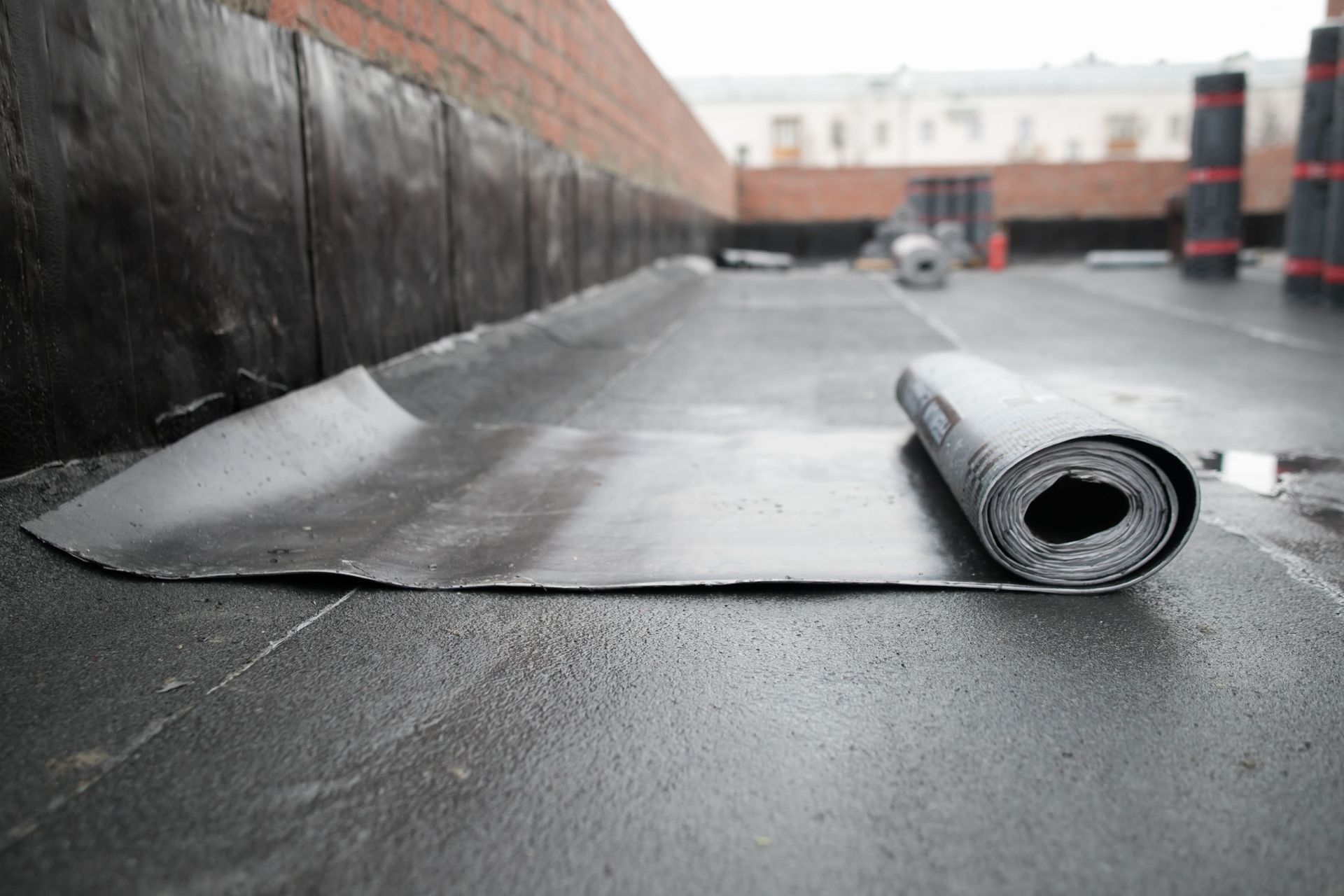
Exterior waterproofing methods constitute the frontline defensive measures against foundational water intrusion. These techniques focus on preventing water from penetrating the building's exterior, relying heavily on drainage systems and protective coatings. Foundation walls may be sealed with waterproof barriers or membranes, preventing moisture from reaching vulnerable spots. Modern innovations include various compounds and materials that provide a seamless protective layer, warding off water efficiently. Exterior waterproofing strategies are critical because they address the problem before water has the chance to infiltrate, enhancing a building's resilience. The installation of French drains and proper grading around the property constitute integral parts of exterior defense. These systems divert water away from the foundation, reducing pressure against foundation walls and minimizing erosion risks. Combined with protective coatings, these methods form comprehensive barriers that prevent water pooling.
Specialized waterproofing companies continue to refine these techniques, incorporating new materials and methodologies to thwart moisture incursion. Consequently, exterior waterproofing methods remain a cornerstone of foundational health strategies. Interior drainage solutions serve as crucial elements in dealing with water that has entered a structure’s confines. These systems act as a secondary defense, redirecting indoor moisture away from the foundation and toward safe discharge points. The implementation of sump pumps and interior drains demonstrates the practical solutions designed to manage basement water incursion. These systems channel water effectively, preventing accumulation that could weaken foundation components. Keep your home safe and stable by reaching out to Pinnacle Foundation Systems.