Foundation repair requires a careful balance of expertise, planning, and adaptability. Professionals must address a wide range of challenges, from unstable soil to structural stress, all while preserving the integrity of the home. A proactive approach to foundation repair allows experts to identify concerns early and apply targeted solutions that protect long-term stability. By understanding how professionals manage these obstacles, homeowners gain insight into the value of skilled intervention.
Identify Foundation Problems Early
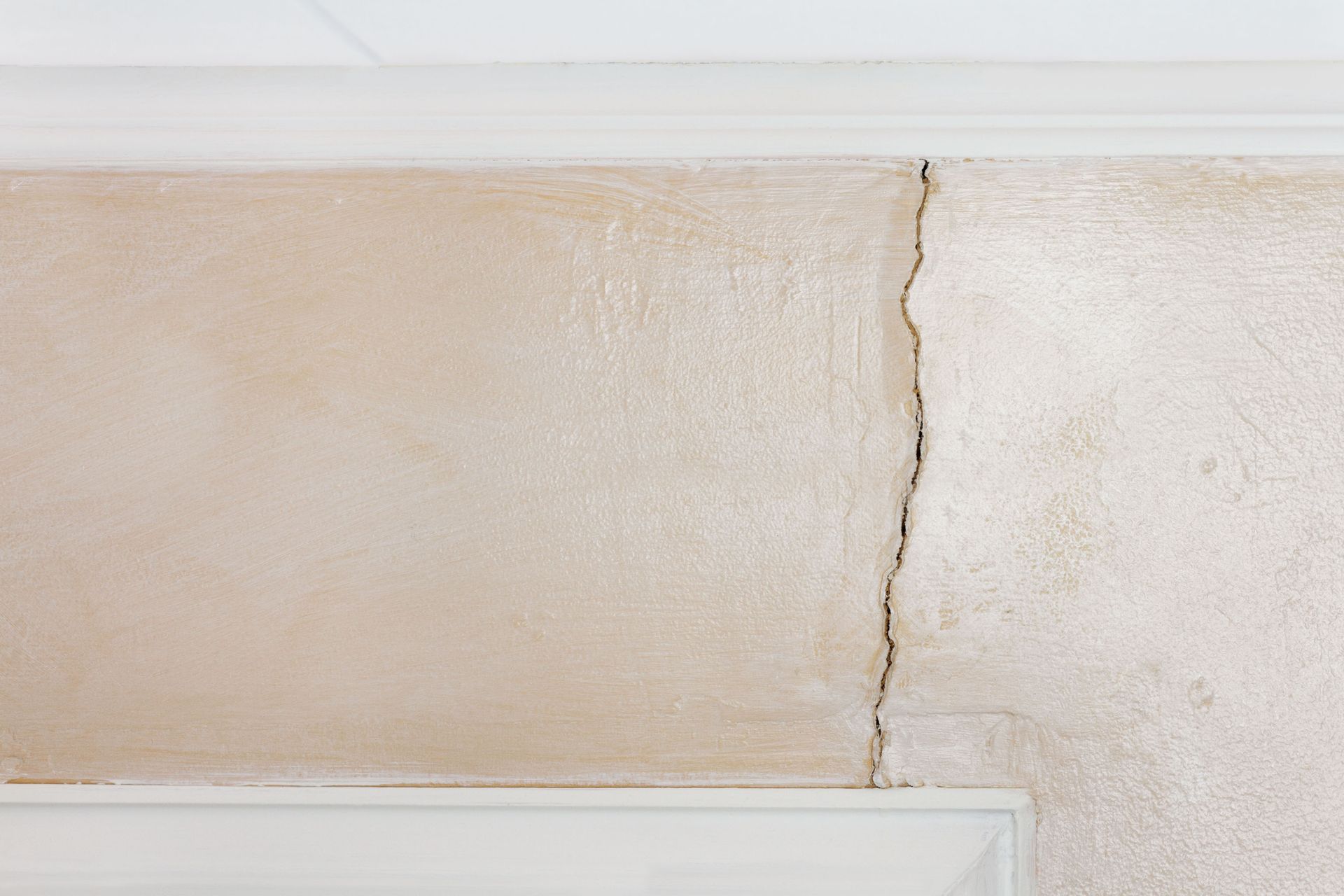
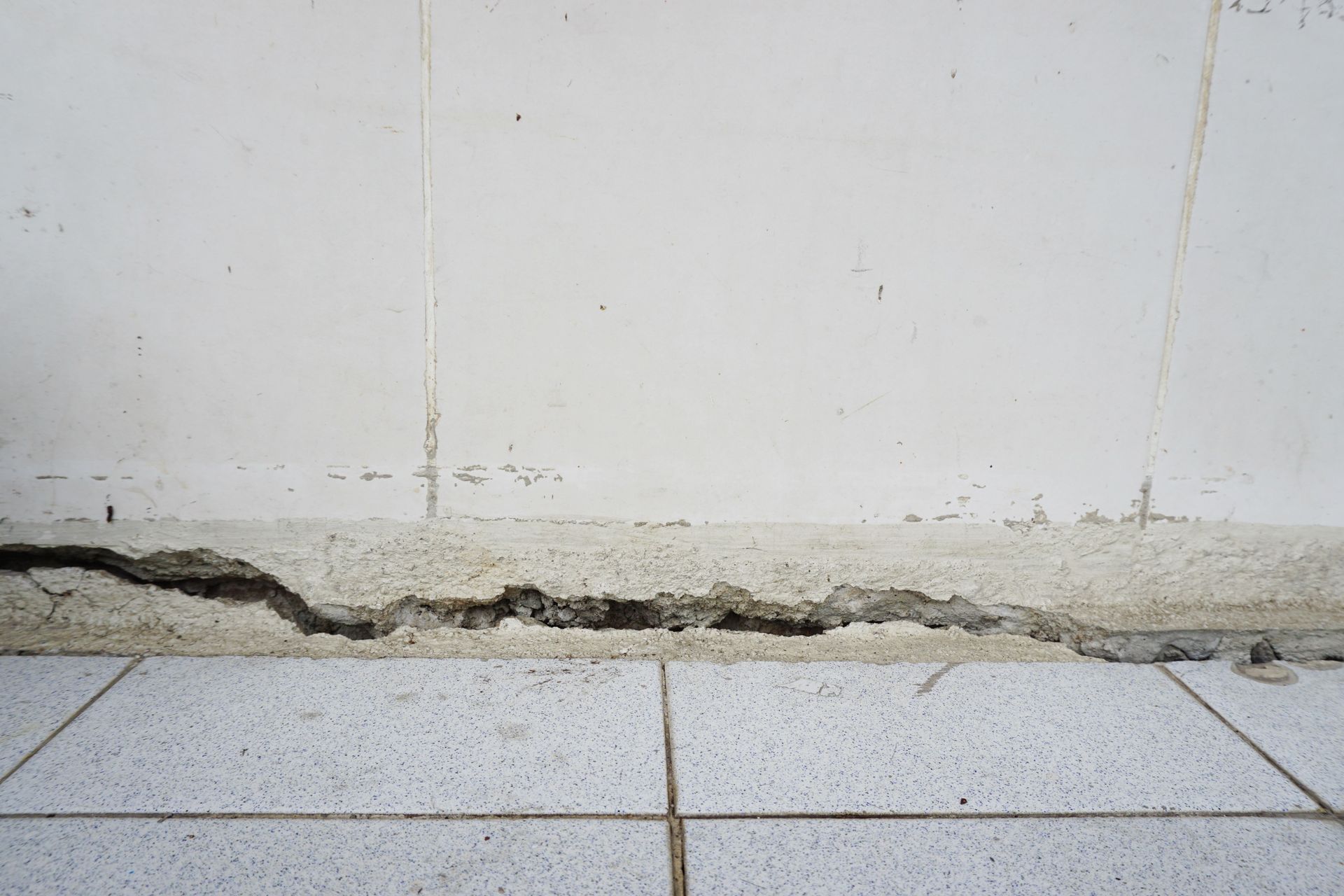
Recognizing early warning signs is one of the most important steps in successful foundation repair. Cracks in walls, uneven flooring, and doors or windows that no longer open smoothly often indicate underlying structural movement. These symptoms may seem minor at first, though they can signal deeper issues that require prompt attention. Early detection allows professionals to intervene before damage becomes more extensive, reducing both repair complexity and cost.
Professional inspections play a critical role in confirming these warning signs and determining their cause. Experts use advanced diagnostic tools to evaluate the condition of the structure and surrounding soil without unnecessary disruption. By combining visual assessments with precise measurements, they can develop an accurate plan for foundation repair that addresses both symptoms and root causes.
Select Effective Repair Methods
Choosing the right method is essential for achieving lasting results in foundation repair. Professionals evaluate factors such as soil conditions, structural load, and the extent of damage before recommending a solution. Options may include pier systems, slab lifting techniques, or surface-level repairs, each designed to resolve specific issues. Selecting the appropriate method ensures that repairs align with the structure’s needs.
This decision is especially important given that, according to the U.S. Census Bureau, 73% of single-family homes built in the United States in 2024 used concrete slab foundations. With so many homes relying on this type of construction, methods like slab leveling and stabilization play a major role in modern foundation repair strategies. Matching the repair technique to the foundation type helps improve performance and long-term stability.
Manage Soil Conditions Carefully
Soil behavior has a direct impact on the success of foundation repair. Expansive soils can swell when wet and shrink during dry periods, causing movement beneath the structure. Sandy or loose soils may lack the support needed to hold a foundation in place. Professionals must evaluate these conditions thoroughly before beginning any repair work.
To address these challenges, experts implement soil stabilization and drainage solutions that reduce movement over time. Techniques such as improving grading, installing drainage systems, and managing moisture levels help create a more stable environment. These measures support the effectiveness of repair by minimizing the risk of recurring issues caused by shifting ground.
Address Structural Load Requirements
Every structure places a unique load on its foundation, and understanding that load is critical during foundation repair. Professionals calculate how weight is distributed across the building to identify areas under stress. Uneven load distribution can lead to cracks, settlement, or further structural damage if not properly addressed.
To resolve these concerns, repair strategies often include reinforcement techniques such as underpinning or the addition of support elements. These methods strengthen the foundation and redistribute weight more evenly. By aligning repair solutions with the structure’s specific load requirements, professionals ensure that the results are both stable and durable.
Ensure Long-Term Repair Durability
Durability is a key goal in any foundation repair project. Professionals focus on using materials and methods that can withstand environmental stress and long-term use. High-quality components and precise installation techniques help ensure that repairs remain effective over time. Monitoring the structure after repairs allows experts to confirm that stability has been restored.
Ongoing maintenance plays an important role in preserving these results. Routine evaluations help identify minor concerns before they develop into larger problems. By maintaining consistent oversight, homeowners can extend the lifespan of their foundation and protect their investment in the property.
Navigate Building Codes and Regulations
Foundation repair must comply with local building codes and safety regulations to ensure proper execution. Professionals are responsible for understanding these requirements and incorporating them into their repair plans. Compliance helps protect both the structure and the people who occupy it, while reducing the risk of future complications.
The permitting process is another important step that professionals manage carefully. Securing approvals and coordinating inspections ensures that all work meets established standards. By adhering to these regulations, repair projects proceed smoothly and maintain a high level of quality and accountability.
Collaborate With Industry Professionals
Successful foundation repair often involves collaboration between multiple experts. Structural engineers, contractors, and inspectors each contribute valuable knowledge to the process. This teamwork allows for a more comprehensive understanding of the problem and supports the development of effective solutions.
Clear communication between professionals and homeowners is equally important. Sharing information about the property’s history and any previous repairs helps guide decision-making. This collaborative approach ensures that repair efforts are tailored to the specific needs of the structure and its environment.
Maintain Consistent Inspection Practices
After repairs are completed, environmental factors and natural wear can affect the structure over time. Seasonal temperature changes, shifting soil conditions, and varying moisture levels can all place stress on the foundation. Periodic evaluations help identify any changes that may require attention, allowing for timely adjustments before minor concerns develop into more serious problems. These check-ups give professionals the opportunity to monitor performance and confirm that previous repairs continue to function as intended.
By committing to consistent inspections, homeowners can reduce the likelihood of major issues developing in the future. This proactive approach supports the long-term success of foundation repair and helps maintain the overall stability of the property. Regular monitoring creates a clear record of the foundation’s condition, making it easier to spot patterns or recurring concerns. With early intervention and ongoing care, homeowners can preserve structural integrity and extend the lifespan of their foundation system.
Commit to Preventative Strategies
Preventative measures are a vital part of protecting any foundation. Managing drainage, controlling moisture levels, and maintaining the surrounding landscape all contribute to a more stable structure. These strategies reduce stress on the foundation and support the effectiveness of previous repair work. Proper grading directs water away from the home, while gutters and downspouts help prevent excess moisture from collecting near the base of the structure. Consistent attention to these elements minimizes the risk of soil expansion and contraction that can lead to movement over time.
Incorporating preventative care into regular home maintenance helps extend the benefits of foundation repair. By addressing potential risks early, homeowners can avoid costly disruptions and ensure that their property remains secure and structurally sound. Routine inspections, seasonal adjustments, and mindful water management all play a role in preserving stability. Taking a proactive approach allows small concerns to be resolved quickly, reinforcing the long-term performance of the foundation and reducing the likelihood of future structural issues.
Foundation repair involves addressing a range of challenges, from identifying early warning signs to managing soil conditions and structural demands. Professionals rely on detailed assessments, advanced techniques, and collaborative efforts to deliver reliable results. Their ability to adapt to different conditions ensures that each repair is tailored to the specific needs of the property. By taking a proactive approach and working with experienced experts, homeowners can maintain a stable and secure foundation for years to come. Contact us at Pinnacle Foundation Systems and we will help protect your home with dependable foundation repair solutions.