A home’s foundation supports its structure and helps keep floors, walls, and other building components aligned. Because much of it sits below ground, early changes are not always easy to see. Homeowners in Alabama and Tennessee may first notice subtle signs inside the house or around the exterior, particularly after heavy rain, dry weather, or seasonal temperature changes.
Not every crack or uneven surface points to a serious structural concern. Homes naturally settle, and some cosmetic changes have explanations unrelated to the foundation. However, patterns that grow, return, or appear alongside other symptoms deserve attention. Recognizing those changes can help homeowners understand when a professional evaluation may be appropriate and whether foundation repair should be considered.
Watching for Cracks in Walls and Floors
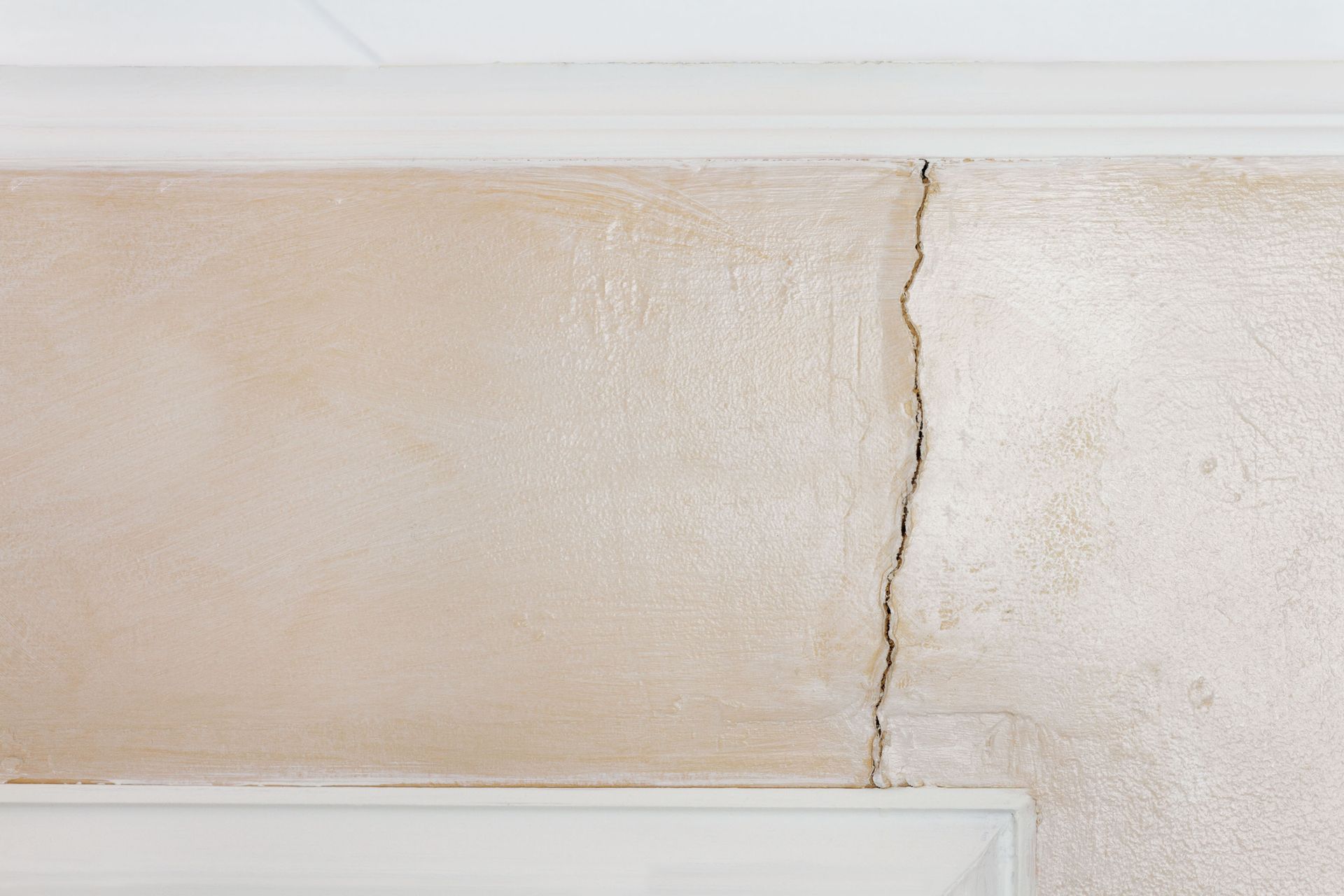
Cracks are among the most noticeable signs of possible movement. They can appear in drywall, ceilings, tile, concrete floors, or exterior masonry. A thin, stable hairline crack may be cosmetic, while one that widens, lengthens, or develops alongside other changes may warrant a closer look.
Pay attention to where cracks appear and whether they change over time. Diagonal cracks near windows and doors, stair-step patterns in brick or block walls, and cracks extending across floors can provide useful information during an inspection. According to Today's Homeowners, have a professional inspect foundation cracks that exceed 1/8 inch in width.
However, size is not the only factor to consider. Location, direction, progression, and surrounding conditions can also indicate potential structural concerns. If you notice these warning signs, scheduling a professional foundation inspection can help determine whether the cracks are cosmetic or related to movement. An experienced inspector can evaluate the surrounding structure, identify possible causes, and explain whether repairs or further monitoring may be necessary.
Noticing Doors and Windows That Stick
Doors and windows that suddenly become difficult to open or close may indicate a change in framing or alignment. A door might rub against its frame, fail to latch, or swing open on its own. Windows may become harder to operate, and gaps may appear around their edges.
These issues can develop for several reasons, including worn hardware, humidity-related wood expansion, or normal building movement. In Alabama and Tennessee, seasonal humidity changes can affect wooden doors and window frames throughout the year. While occasional sticking may not indicate a serious concern, recurring problems deserve closer attention.
When multiple doors or windows become difficult to open or close, particularly near visible wall cracks, the combination of symptoms may suggest underlying foundation movement. Recognizing these warning signs early can help homeowners determine whether foundation problems require a professional evaluation before additional structural concerns develop.
Checking for Sloping or Uneven Floors
Floors that feel uneven, slope noticeably, or develop new low spots may point to changes beneath the home. Some older houses have floors that are not perfectly level because of their original construction. New or increasing changes, however, deserve attention, particularly when they occur with cracks, gaps, or doors that no longer fit properly.
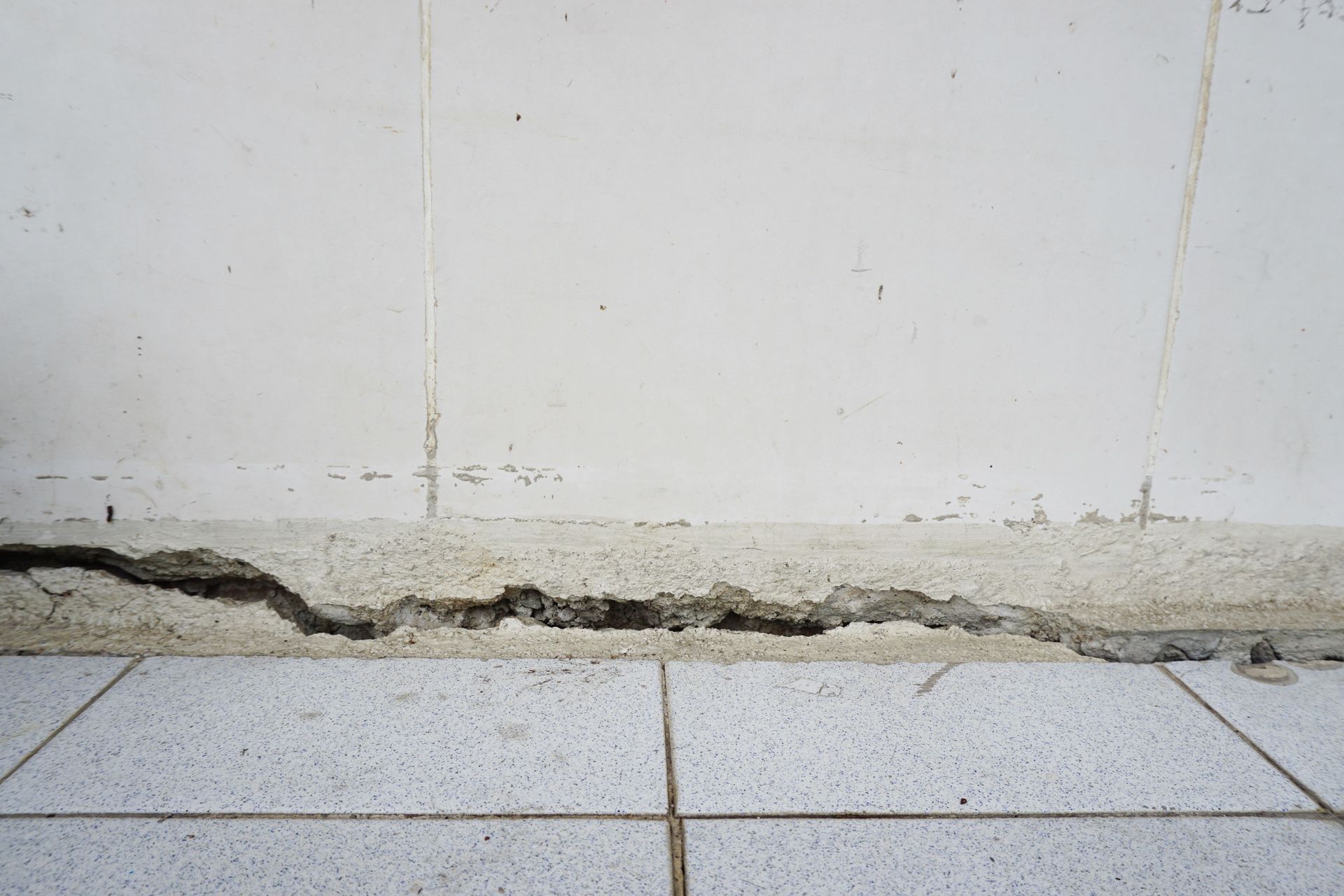
A noticeable slope across a room, separation between flooring and baseboards, or tile that begins cracking in several places may be relevant information for a professional.
A professional assessment can help distinguish surface-level flooring problems from movement affecting the structure below. If foundation repair is recommended, the evaluation should explain the observed conditions and why a particular approach is appropriate. Clear explanations make it easier to understand the concern and consider next steps.
Looking for Gaps and Separation
Separation between building materials can provide another clue. Homeowners may notice gaps between walls and ceilings, spaces around window or door frames, or trim pulling away from the wall. Outside, brick or siding may appear to separate from adjoining materials, while porches, steps, or attached structures may pull away from the main building.
These changes can result from moisture, material expansion and contraction, or structural movement. A small gap that remains unchanged may have a different explanation from one that continues to widen or appears alongside other symptoms.
A professional can examine the location and surrounding structure to determine whether the gaps suggest a larger issue and whether foundation repair may be appropriate.
Understanding the Effects of Rain and Soil Moisture
Weather can influence the ground that supports a home. Heavy rain may saturate soil, while extended dry spells can reduce soil moisture. Depending on local conditions, these changes may contribute to expansion, shrinkage, or shifts in the ground around a foundation.
Alabama and Tennessee experience seasonal rainfall, humid conditions, and periods of hotter, drier weather. The effects vary by property, soil type, drainage, grading, and construction. Water that collects near the home or flows toward the structure may create conditions worth investigating. Long dry periods can also change soil moisture levels around the property.
Homeowners should pay attention to recurring pooling water, erosion, or drainage patterns that change over time. Addressing underlying conditions may be part of a broader plan when foundation repair is needed. Recommendations depend on the home, site, and source of movement.
Paying Attention to Exterior Warning Signs
A walk around the home can reveal less visible changes. Look for cracks in concrete, brick, or block; separation near corners; and changes where steps, patios, or porches meet the house. A chimney that appears to lean or pull away from the exterior wall should also be evaluated.
More concerning patterns include cracks that grow, repeat in several locations, or occur alongside interior symptoms such as uneven floors and sticking doors.
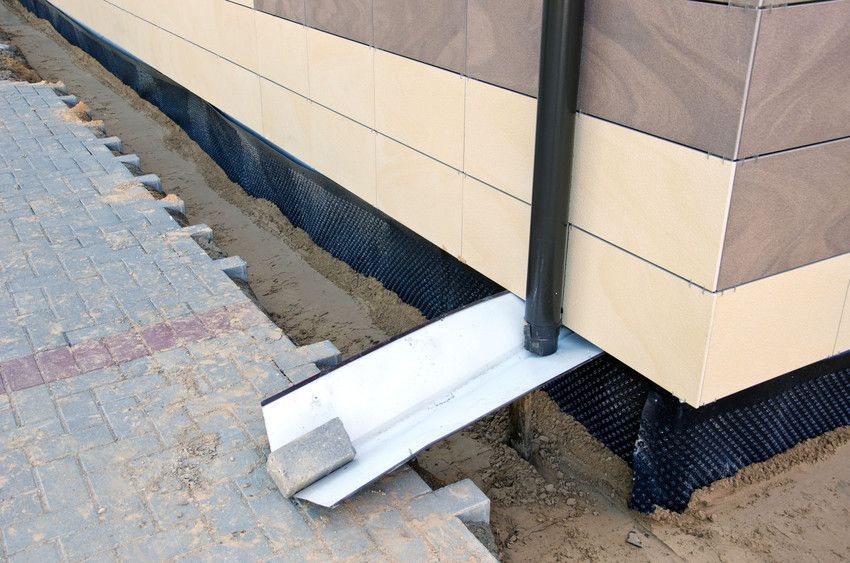
The area around the home offers useful context, too. Downspouts that discharge close to the structure, soil that slopes toward the house, and recurring standing water may affect moisture conditions near the foundation. A professional can consider these factors along with the building’s visible condition when assessing whether foundation repair is needed.
Knowing When to Schedule a Professional Evaluation
It can be difficult to determine the cause of a crack, gap, or uneven floor by appearance alone. Monitoring a change may help document its progression, but it should not replace an inspection when symptoms are significant, worsening, or appearing in multiple areas. Prompt guidance is especially important when a wall appears to bow, a large crack develops, or part of the home seems to be shifting. An evaluation can clarify whether foundation repair is warranted.
During an evaluation, a specialist may review the interior and exterior, note visible signs, and consider site conditions that could contribute to movement. Homeowners can help by describing when they first noticed the issue, whether it has changed, and whether it appeared after unusual weather.
A reliable assessment should explain what was observed, what may be causing it, and whether work is recommended. If foundation repair is necessary, homeowners should understand the proposed scope, the reasoning behind the recommendation, and what the process is intended to address. Asking questions is a practical part of making an informed decision about foundation repair.
Foundation concerns can feel stressful, especially when changes appear unexpectedly. Still, warning signs do not automatically mean a home has a major structural problem. Cracks, sticking doors, uneven floors, and gaps are clues to investigate — not diagnoses on their own.
For homeowners across Alabama and Tennessee, timely attention can make it easier to understand a developing concern and plan responsibly. Pinnacle Foundation Systems helps property owners address foundation concerns with professional guidance tailored to each home.
Contact the team to schedule an evaluation and discuss the right next steps for your property.