Crawlspaces, often overlooked parts of homes, play a crucial role in maintaining structural integrity. Problems in crawlspaces can escalate, leading to significant foundation issues. This article explores common crawlspace problems and their potential to cause foundation damage, offering guidance on how homeowners can address these concerns before they necessitate costly repairs. Building awareness about these problems helps homeowners maintain their property more effectively. Ignoring these issues may lead to extensive and expensive foundation repairs in the long run. Staying proactive is one of the best ways to avoid emergency foundation repairs later.
Address Moisture Accumulation
Poor Insulation
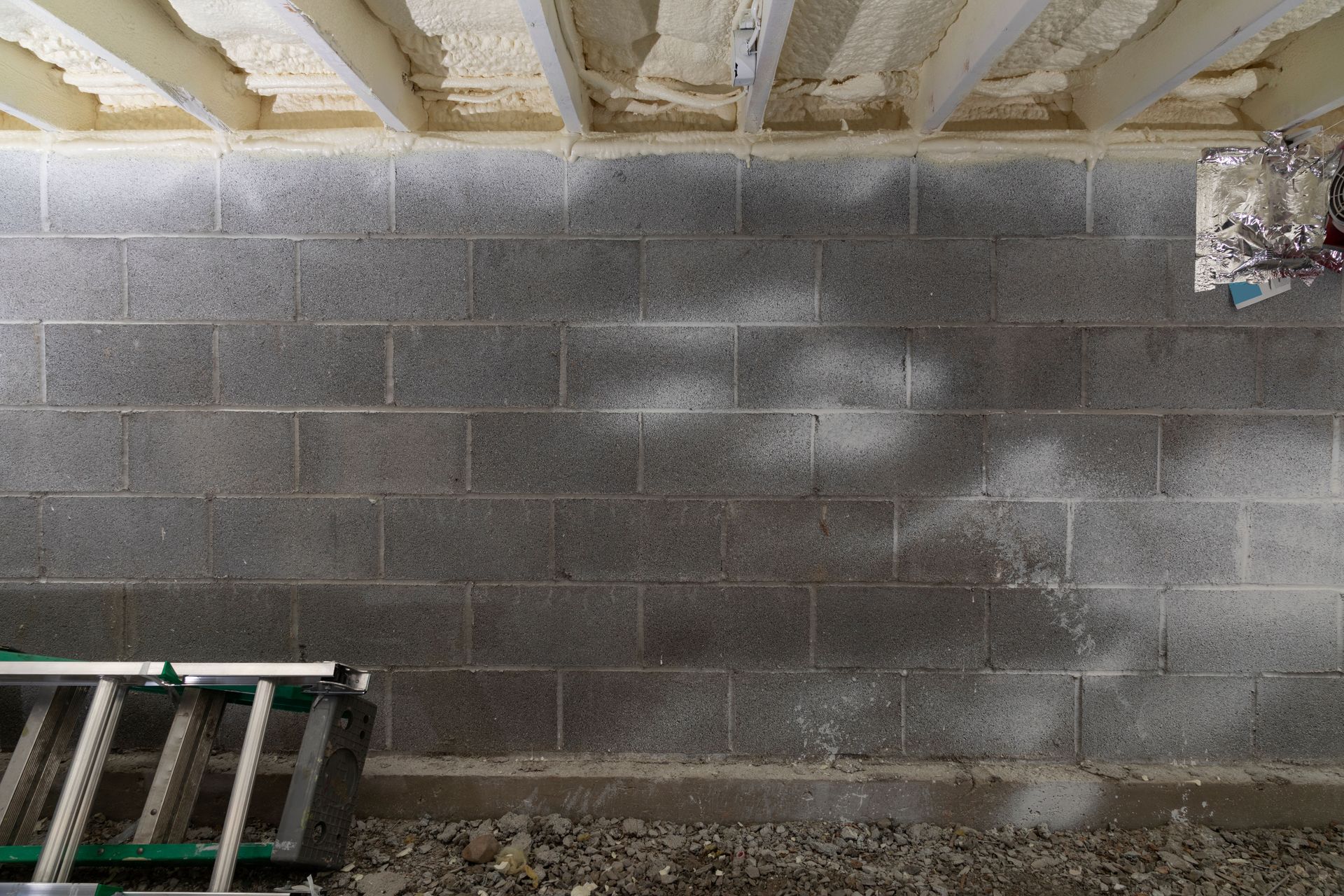
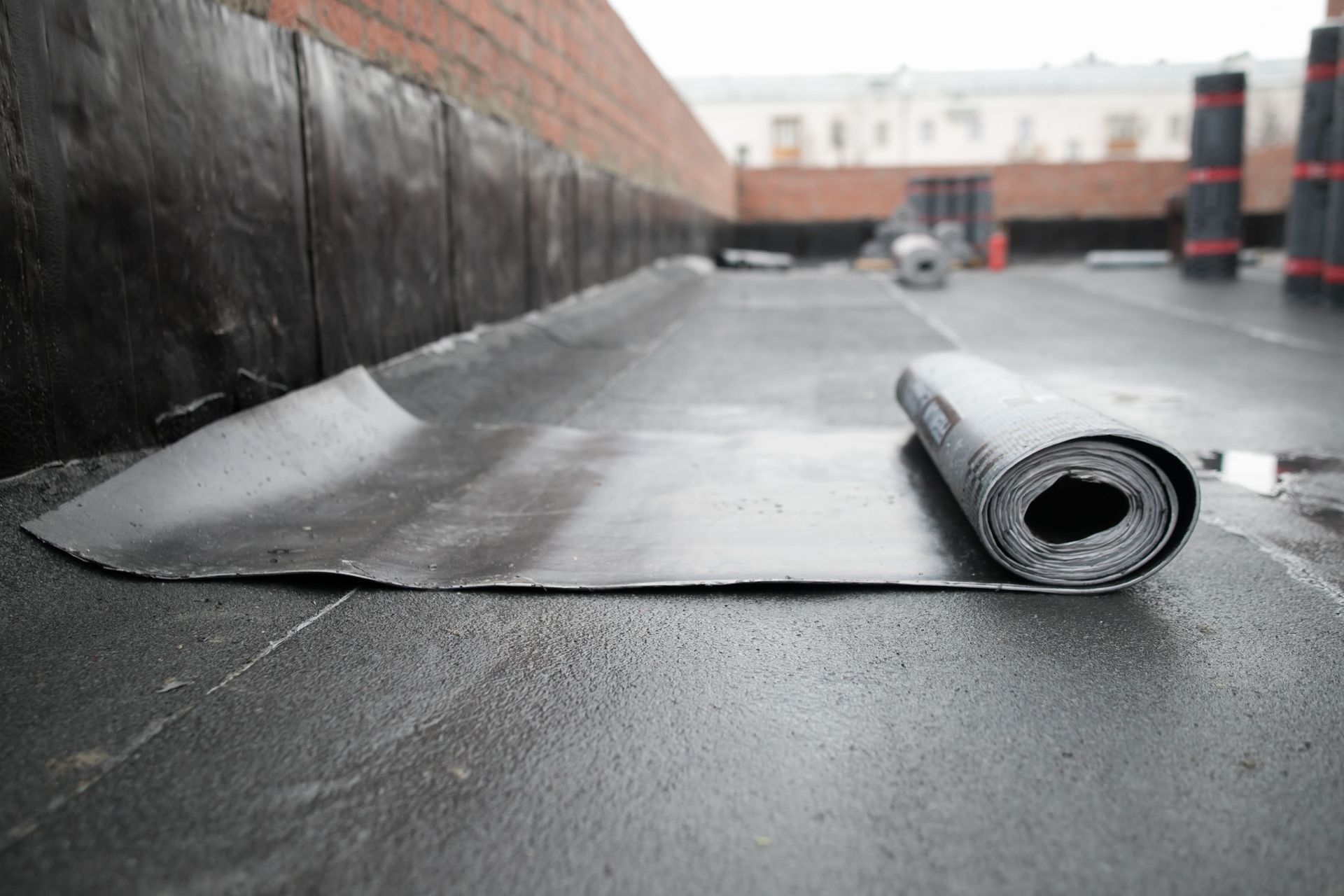
When crawlspaces are inadequately insulated, moisture easily seeps into the area, turning it into a damp environment conducive to mold growth. Poor insulation fails to create a barrier between the exterior and the interior, allowing the outside elements to intrude. As a result, dampness becomes a breeding ground for mold, which can quickly spread to other parts of the home. This unchecked mold growth can not only damage structural components but also pose significant health risks. Therefore, proper insulation is paramount in preventing moisture-related crawlspace issues that could eventually require foundation repairs.
Ventilation Issues
Insufficient ventilation in crawlspaces exacerbates moisture problems, creating a humid environment that can lead to wood rot and other structural damages. Inadequate airflow allows moisture to accumulate, creating ideal conditions for mold and mildew. This scenario diminishes air quality and can compromise the home's structural integrity over time. Adequate ventilation is essential to maintain a dry and stable crawlspace environment, ensuring that moisture does not settle and cause harm. Implementing proper ventilation solutions helps protect the home from potential foundation problems.
Saturated Soil
The presence of water-saturated soil around a home's foundation is a significant contributor to crawlspace moisture issues. This saturation often results from poor drainage or heavy rainfall, allowing water to seep into the crawlspace. Persistent water infiltration can erode the foundations, weaken structural components, and create a damp environment ideal for pests and mold. Addressing this problem requires effective drainage solutions to redirect water away from the foundation. Homeowners must be proactive in managing soil saturation to protect their crawlspaces and overall structural integrity.
Humidity Levels
Crawlspaces with high humidity levels can lead to wood decay, faster deterioration of structural materials, and increased mold growth. High humidity often results from inadequate insulation or poor ventilation, trapping moisture within the crawlspace. Over time, this moisture begins to affect wood integrity, creating structural weaknesses that compromise the foundation. According to Fox Blocks, while 15% of house foundations include crawlspaces, addressing humidity issues is essential for those homes to maintain stability. By monitoring and managing humidity levels, homeowners can preserve crawlspace conditions and prevent related foundation problems.
Condensation Problems
Condensation in crawlspaces forms due to temperature differences between the inside and outside environments, leading to potential structural issues. This condensation can drip onto wooden beams and other structural components, accelerating decay and mold growth. Over time, these issues can jeopardize the support systems within a crawlspace and lead to foundation instability. To prevent condensation, homeowners need to ensure adequate insulation and sealing of crawlspaces, minimizing temperature variances. Addressing condensation proactively helps safeguard the foundation and the home's overall structural health.
Prevent Pest Infestations
Types of Pests
Common pests such as rodents, termites, and ants often invade crawlspaces, posing threats to structural components. These pests are attracted by the damp and dark environment of crawlspaces, providing them with ideal living conditions. Once inside, they can chew through insulation, wires, and even wooden beams, leading to significant structural damage. The presence of pests in crawlspaces not only affects the home's infrastructure but can also create sanitary issues. Preventing pest infestations requires vigilance and regular inspections.
Entry Points
Pests typically gain entry into crawlspaces through small cracks and gaps in the foundation or walls. These entry points might seem inconsequential but can become gateways for numerous pests seeking shelter. Sealing these openings is crucial to protect the crawlspace from invasions and subsequent damage. It is essential for homeowners to regularly inspect their crawlspaces for such vulnerabilities. Proactive measures in sealing and repairing these entryways significantly reduce the chances of a pest infestation.
Damage to Insulation
Pests can cause considerable damage to crawlspace insulation, further exacerbating existing problems. Rodents, for example, gnaw through insulation material, creating nesting sites and reducing its effectiveness. Damaged insulation allows more moisture and temperature fluctuations into the crawlspace, augmenting issues like mold growth and wood decay. This, in turn, compromises the structural integrity of the entire home. By addressing pest problems promptly, homeowners can protect their crawlspace insulation from extensive damage.
Pest Prevention Measures
Effective pest prevention strategies in crawlspaces include regular inspections, sealing cracks, and maintaining cleanliness. Routine inspections help identify potential entry points and signs of infestation before they escalate. Sealing gaps and treating crawlspaces with pest repellents can deter pests from entering and causing damage. Additionally, keeping the crawlspace clean and dry minimizes the appeal to pests seeking refuge. Implementing these preventive measures ensures a pest-free crawlspace, thereby protecting the home's foundation and overall stability.
Long-term Effects on Foundations
Prolonged pest presence in crawlspaces can severely compromise foundation integrity over time. As pests damage insulation and structural components, they weaken the foundation's support system. This ongoing deterioration creates vulnerabilities that can lead to extensive and costly repairs. By maintaining a pest-free environment, homeowners safeguard their property's structural soundness and longevity.
Manage Foundation Movement
Causes of Foundation Movement
Foundation movement in homes typically results from soil movement, moisture changes, and inadequate structural support. Soil displacement, often due to water saturation or drought, causes shifts in the foundation's base. This movement can strain structural components, leading to cracks and settlement issues if not addressed. Moisture variations, particularly in areas with poor drainage, exacerbate the problem by causing soil expansion and contraction. Recognizing these underlying causes is critical for implementing effective preventive and repair strategies.
Signs of Movement in Crawlspaces
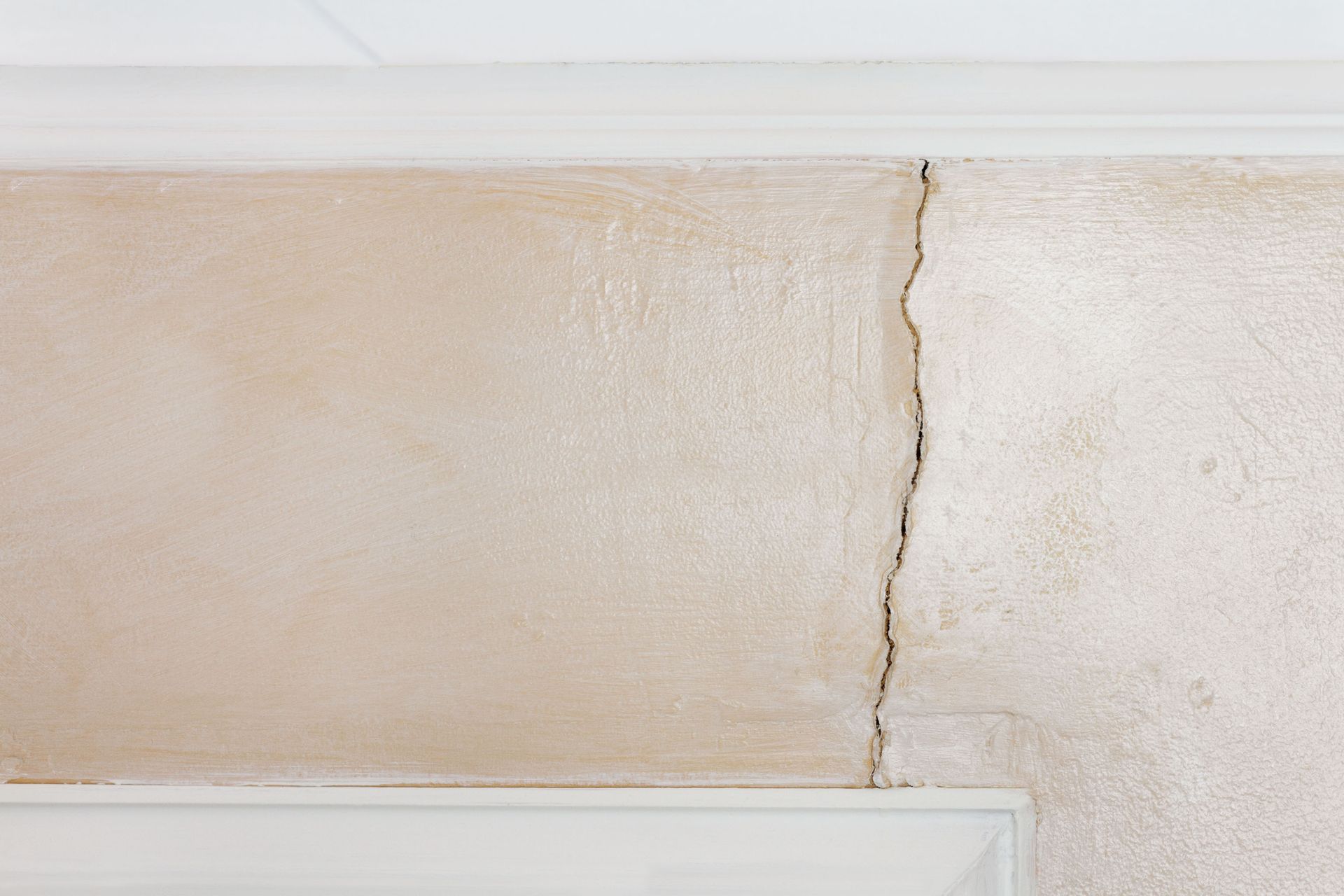
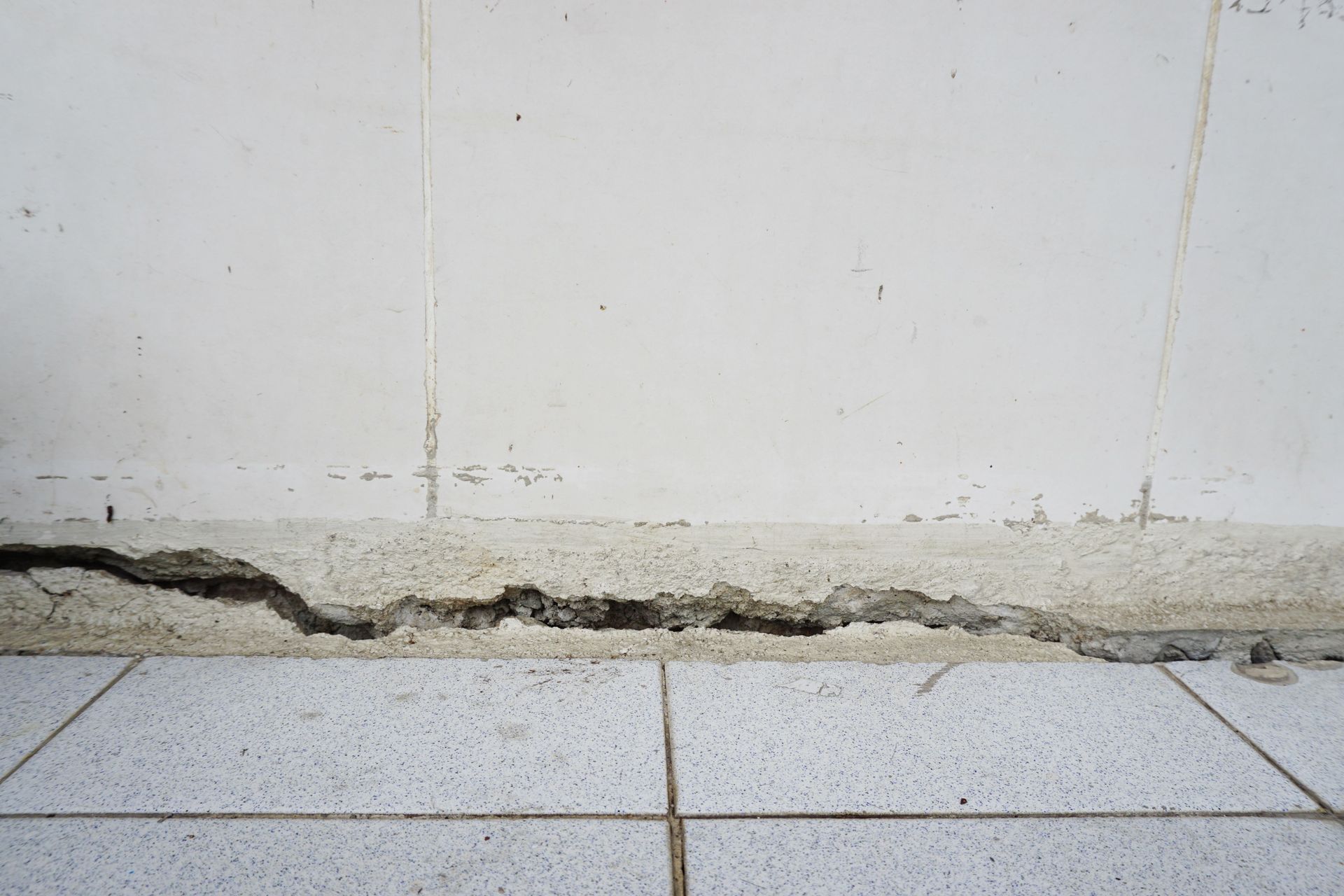
Visible indications of foundation movement in crawlspaces include cracks in walls, uneven floors, and misaligned doorframes. These signs often signal underlying structural changes that, over time, can compromise the home's integrity. Homeowners should routinely inspect their crawlspaces for such symptoms, as early detection can prevent more significant damage. Addressing signs of movement promptly helps mitigate potential harm and protect the foundation's stability. Regular monitoring and proactive maintenance are essential in preserving a home’s structural health.
Effects on Structural Integrity
Foundation movement detrimentally affects the structural integrity of the entire home, leading to safety risks and decreased property value. As the foundation shifts, it can create stress on walls, ceilings, and floors, resulting in visible cracks and warping. Over time, these issues can undermine the home's ability to withstand environmental stresses such as storms and seismic activity. Ensuring a stable foundation is vital for maintaining the home’s structural soundness and safety. Therefore, recognizing and addressing foundation movement is crucial for long-term property protection.
Repair Options
Various repair solutions, such as piering, underpinning, and slab jacking, address foundation movement issues originating in crawlspaces. These techniques reinforce the foundation by stabilizing shifting soil and strengthening structural components. Piering involves inserting steel posts deep into the ground to support and lift the foundation. Underpinning adds depth and support to existing foundations, ensuring greater stability and durability. Consulting with a foundation repair specialist can determine the most suitable approach for a given situation, particularly if early signs indicate the need for foundation repairs.
Addressing crawlspace problems promptly can avert the need for extensive foundation repairs. By understanding the common issues that arise in crawlspaces and their implications, homeowners can take proactive steps to maintain their property's structural soundness, ensuring safety, longevity, and peace of mind. Regular inspections, maintenance, and professional evaluations play crucial roles in preventing these challenges from escalating. Implementing effective solutions for moisture management, pest control, structural reinforcement, and drainage systems safeguards the foundation and the home’s overall structural integrity. By prioritizing crawlspace care, homeowners use foresight and proactive measures to protect their largest investment and ensure a safe, stable living environment. If your property needs its crawlspace inspected or requires foundation repairs, get in touch with Pinnacle Foundation Systems today!